
Operate, Understand, and Future‑Proof Your Water Network.
A unified software platform that brings together digital twins, asset intelligence, hydraulic modelling, inspections, and customer data — enabling smarter decisions across the entire water network lifecycle. Used by water utilities, municipalities, and infrastructure operators
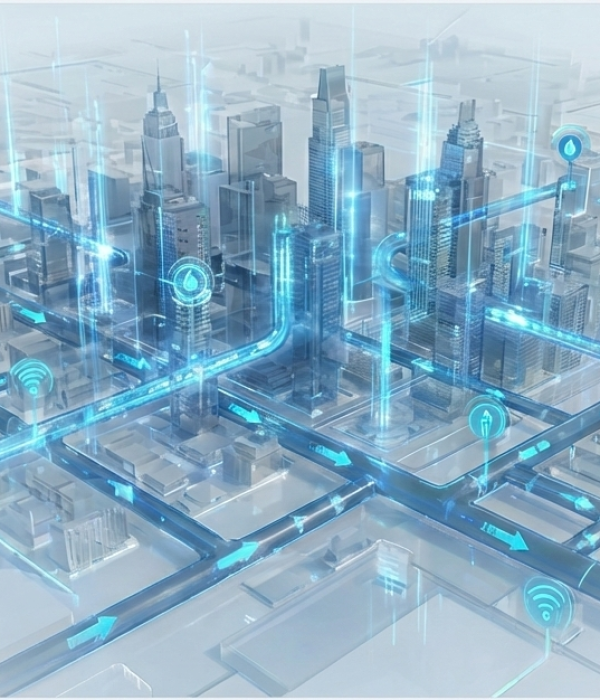
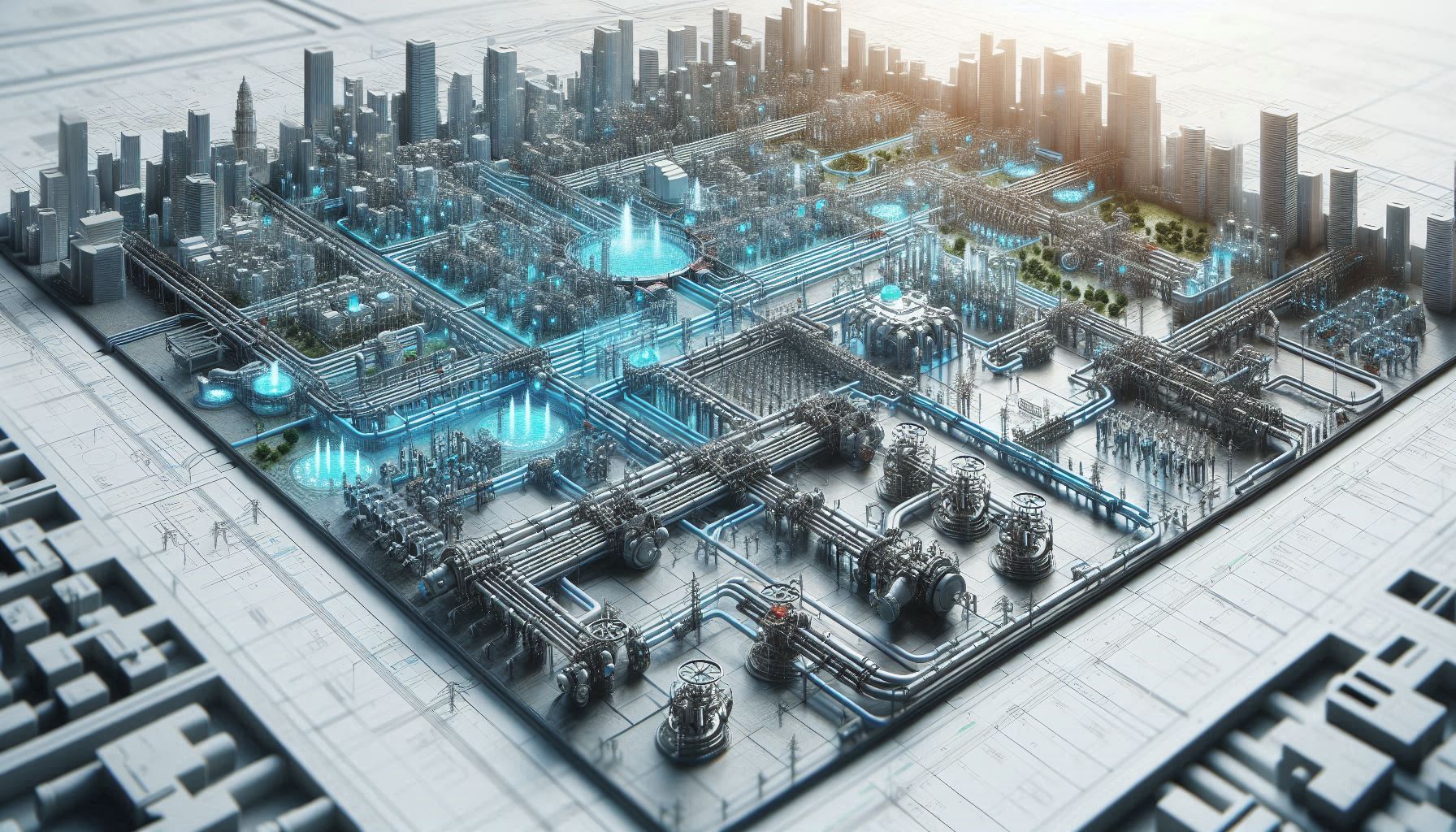
Oulla wATER
Platform Overview
- Digital Twin of the Network
- Hydraulic & Operational Modelling
- Customer & Service Management
- Advanced Data Analytics
- Robotic & Sensor-Based Inspection
OULLA WATER
Who It’s For
Water Utilities: Operate, monitor, and maintain distribution and transmission networks while reducing non-revenue water and improving service reliability.
Bulk Water Suppliers: Manage large transmission assets, detect leaks early, and protect critical infrastructure using inspection and risk-based tools.
Municipal Authorities: Oversee service performance, asset condition, and compliance through integrated reporting and system-wide visibility.
Engineering & Operations Teams: Plan, model, operate, and respond faster using accurate data, calibrated models, and inspection insights.
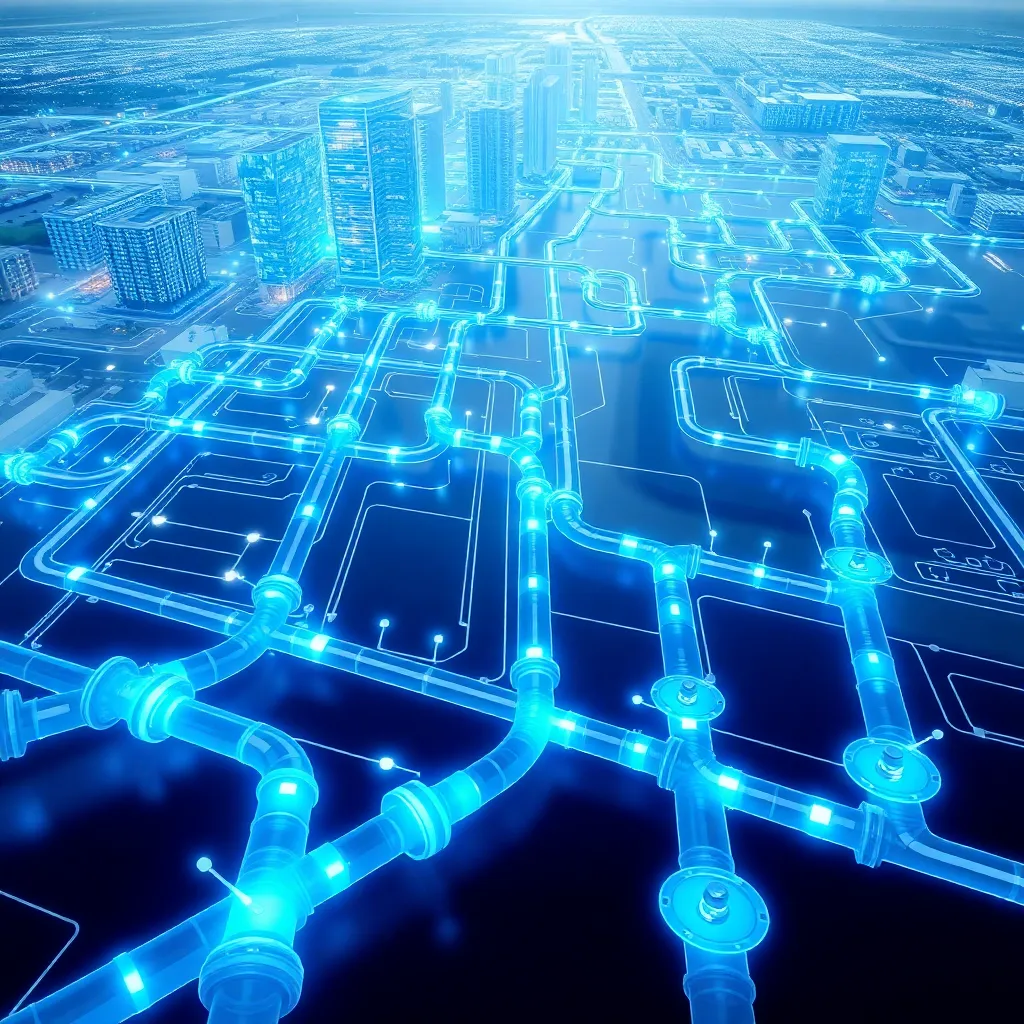
Digital Twin
A live virtual representation of the entire water network that mirrors real-world assets, data, and system behavior.
Asset Management
Manage the full lifecycle, condition, risk, and value of network assets to support maintenance and investment planning.
Hydraulic Modelling
Simulate flows, pressures, and demand to analyze performance, test scenarios, and plan network changes.
Customer Management
Link customers, consumption, complaints, and service events directly to network operations and assets.
Data Analysis
Convert operational, sensor, and inspection data into actionable insights through analytics and dashboards.
Inspection Core
Plan, manage, and analyze internal pipeline and robotic inspections to assess asset condition and defects.
Why Oulla Water
End‑to‑End Network Visibility and Reduced Water Losses and Failures with Faster Decision‑Making with Real Data
The platform brings together GIS, operational data, inspection results, customer information, and asset records into a single connected environment. This holistic view allows organizations to understand how assets, hydraulics, inspections, and customers interact across the entire network. Decision‑makers no longer need to rely on fragmented systems or incomplete data.